
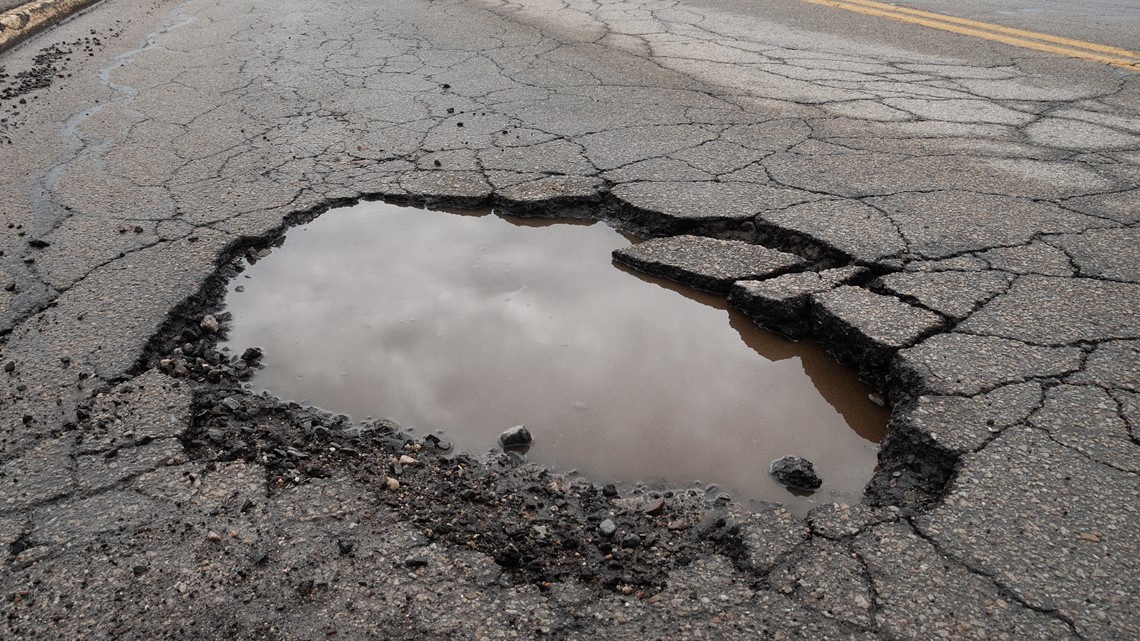
The weather plays a massive role in road health. Nature constantly attacks the asphalt surfaces. You see smooth roads turn into bumpy paths. This transformation happens because of natural cycles. Sometimes the sun shines very brightly. Other times the rain falls heavily. These shifts create stress for every street. The constant movement weakens the structural base. Now we will explore these powerful forces. Understanding weather helps us protect our infrastructure.
The Destructive Power of Water Penetration
Rain represents the primary enemy of solid pavement. Water finds small cracks in the surface. It seeps deep into the lower layers. The liquid softens the supportive soil underneath. This process creates a very unstable foundation. Heavy cars then drive over these spots. The pressure forces the asphalt to bend. But the pavement is not truly flexible. It begins to break into many pieces. The internal structure loses all its strength.
The Cycle of Freezing and Thawing
Cold temperatures cause the most visible damage. Water inside the road turns into ice. The ice expands with a lot of force. It pushes the surrounding asphalt apart. This expansion creates much larger gaps. Then the temperature starts to rise again. The ice melts and leaves a void. The road surface hangs over empty space. Sometimes the top layer simply collapses. This event starts the cycle of pot hole repair needs. Rocky Mountain Striping sees this happen often.
Intense Heat and Solar Radiation Damage
The sun also causes significant long-term issues. Dark asphalt absorbs a lot of heat. The binder becomes very soft and oily. It loses the ability to hold stones. UV rays make the surface quite brittle. The pavement becomes prone to easy cracking. Now the road cannot handle heavy loads. Oxidation changes the chemistry of the bitumen. The black color fades to a dull grey. This indicates that the road is aging. Rocky Mountain Striping provides solutions for these problems.
Fluctuating Humidity and Soil Expansion
Humidity levels change the ground density constantly. Moisture makes certain clay soils swell upward. Dry air causes the same soil to shrink. This movement creates a seesaw effect. The asphalt must move with the ground. But the material is often too rigid. Cracks appear because of this underlying tension. Sometimes the edges of the road crumble. The shoulders lose their vital lateral support. Proper drainage remains the best defense here. Stable soil keeps the pavement much flatter.
Preventing Total Failure Through Regular Care
Maintenance prevents the weather from winning. Small cracks require immediate and careful sealing. This stops water from entering the base. Rocky Mountain Striping helps maintain these vital surfaces. You should watch for early signs of wear. Faded paint often signals a drying surface. Rough textures show that the binder is gone. Acting early saves a lot of money. The community benefits from safer and smoother drives.