
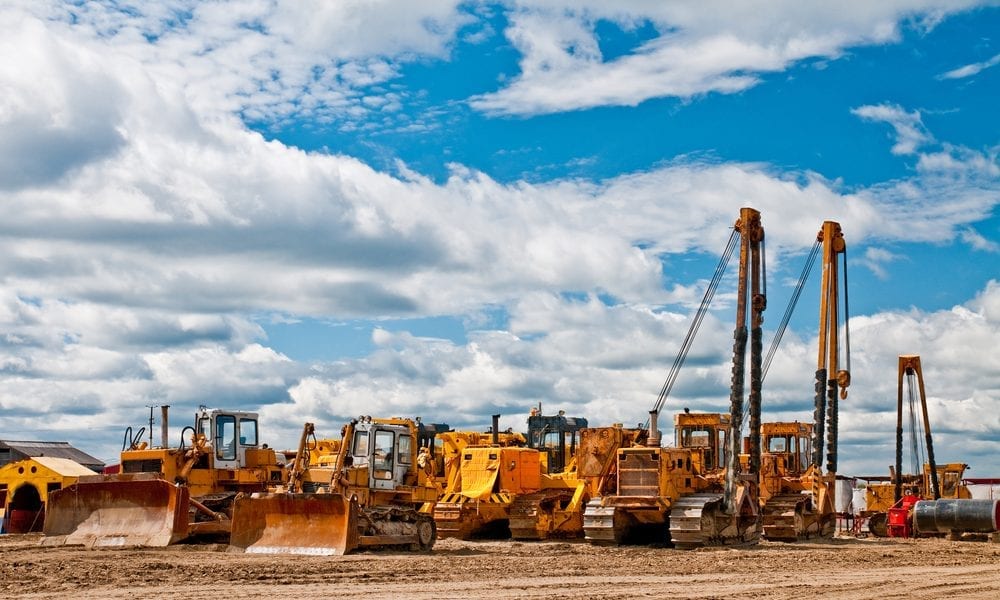
The selection of machinery is an important decision in any construction project. Equipment selection directly impacts project timeliness, productivity, safety, and cost. You can achieve better results and smoother operations, whether you are managing small residential builds or large commercial developments. With so many options to choose from, evaluating the features of equipment and understanding project requirements can help you make the right investment.
Comprehending Your Project Requirements
Define your project’s scope before renting or buying machinery. Consider whether the work involves excavation, lifting, grading, demolition, etc. Each task demands specialized equipment. Excavators and bulldozers may be needed for earthmoving, while cranes are often used in high-rise construction. Be sure to consider the size of your job. Smaller jobs may not require as much equipment, but larger projects will.
Knowing the project timeline is essential. Renting machines might be a cost-effective solution for short-term projects. Long-term projects might be better off buying equipment.
Examine The Conditions Of The Job Site
Job site conditions have a big impact on the choice of machinery. All factors should be considered, including the type of soil, available space, and weather. For example, rough or muddy terrain might require tracked equipment to provide better traction. Meanwhile, paved surfaces could be suitable for wheeled equipment. Compact machines allow you to maximize your space without compromising productivity.
Consider access points as well as transportation requirements. Some machines may be heavy or require special transport arrangements. The equipment you choose should be based on the layout of your site. This will help to save time and reduce logistical problems.
Consider Equipment Performance And Capacity
Each machine has performance limits such as its lifting capacity, depth of excavation, and engine horsepower. Select machinery that can handle your workload without being overworked. Underpowered machines can slow down work and increase wear. On the other side, oversized machines may result in unnecessary fuel costs or higher maintenance fees.
Compare the technical specifications with your project’s requirements. Understanding machine performance can help to ensure maximum efficiency and reduce costly breakdowns.
Budget And Operating Costs
Even though the purchase cost is important, this should not be the sole factor that you consider when making a decision. Take into account the costs associated with long-term operations, such as fuel consumption, maintenance, repairs, or spare parts. Machines that use less fuel and have fewer service requirements will save money in the long run.
If you are on a tight budget, it is worth considering financing options or purchasing used equipment. Check that the machine you are buying has been properly maintained and inspected.
Maintenance And Support Availability
To keep your machinery in top shape, you must have reliable service. Choose equipment from vendors who offer a wide range of spare parts as well as skilled technicians and a strong after-sales program. Regular maintenance increases machine longevity and reduces downtime.
The ability to access training programs is an additional advantage. Proper instruction ensures safety and allows your team to get the best performance out of each machine.
Select Equipment From Trusted Providers
It is important to work with reliable equipment providers who can provide you with the assurance that their products are of high quality. With a variety of machines available, you can choose from a range that suits your requirements. Torgersons construction equipment is a provider that provides reliable machines for varying construction applications. The best way to ensure you have access to professional support and quality equipment is by choosing a trusted vendor.
Be Prepared For Future Needs
While selecting machinery, you should also take into consideration your future project. Multi-tasking machines that are versatile can provide long-term benefits. Machines equipped with interchangeable accessories or adjustable features provide flexibility to meet different job requirements.
Plan ahead to avoid expensive equipment changes.
Test Before You Decide
If you can, ask for a demo. You will better understand the capabilities if you can see how well it performs in realistic conditions. Attention should be paid to ease-of-use, noise levels, and overall handling. This real-world experience often shows details that are not visible in specifications.
Final Thoughts
Planning and research are essential to selecting the best equipment for your construction project. Making an informed decision is possible when you understand your project’s scope, site conditions, and performance needs, along with the budget. When you put safety, reliability, or long-term benefits first, your investment will help to ensure a successful and efficient project. The right construction machinery can boost productivity, improve work quality, and increase team safety.