
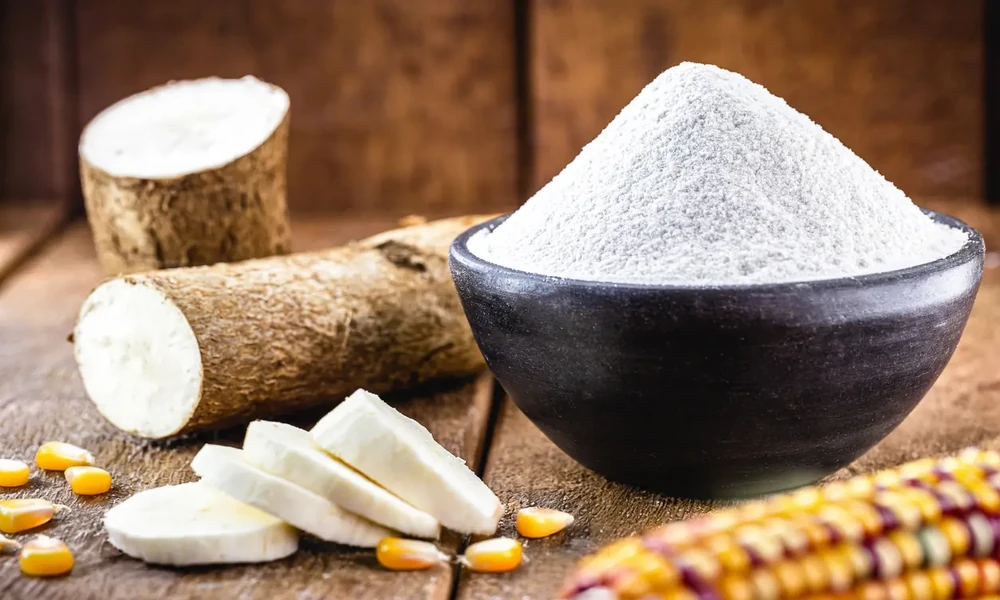
Quality food-grade ingredients ensure a quality finished product. Tapioca starch is not exempt when seeking quality food-grade products. The neutral taste of tapioca starch makes it a widely used ingredient for different products.
What sets apart quality tapioca starch is the source. The native tapioca starch supplier is equipped with advanced agricultural practices and food safety standards. These factors make the sourcing hub for premium tapioca starch a reliable supplier.
Native tapioca starch
Tapioca starch is composed of two types of glucose polymers:
- Amylose. It has a linear chain of glucose molecules.
- Amylopectin. It has a highly branched chain of glucose molecules.
Tapioca starch contains a higher percentage of amylopectin.
High quality tapioca starch
The quality of a product is measured in various factors:
- purity
- moisture content
- viscosity
- whiteness
- absence of contaminants
Tapioca starch must meet stringent criteria to ensure consistency and safety. Tapioca starch is edible and used for food and pharmaceuticals too. Thus, it must pass the safety standards before being released in the market.
There are certifications and standards to indicate that the tapioca starch is safe to use:
- FDA Food-Grade Compliance. It ensures that the starch is for consumption and free from harmful additives.
- Certificate of Analysis. This is a lab-issued document verifying:
- chemical properties
- physical properties
- Health Certificate. This confirms the product meets health and safety standards for import and export.
- Hazard Analysis and Critical Control Points. This shows the commitment of the facility to food safety.
- Non-GMO Certification. This is essential for health-conscious buyers.
Evaluate a tapioca starch supplier
There are six areas in evaluating a tapioca starch supplier:
- starch content (minimum 85%)
- moisture levels (under 13%)
- viscosity stability
- microbiology compliance
- ethical sourcing certifications
- supply chain reliability
A premium supplier provides comprehensive technical data sheets and samples. This ensures constant performance in high-volume bulk procurement.
Starch purity level and content
The purity of the starch affects its capabilities on:
- Binding
- Thickening
High-quality native tapioca starch must contain a minimum starch content of 85%.
Shelf stability and moist control
Moisture is the enemy of flowability and shelf life of the starch. Excess moisture leads to clumping in silos. This increases the risk of microbial growth during transport.
A tapioca starch supply utilizes advanced drying technologies to ensure the product is delivered and meets atmospheric stability requirements.
Functional consistency and peak viscosity
The thickening power of the tapioca starch is measured by viscosity. This is determined using:
- Brabender Viscograph
- Rapid Visco Analyzer
The supplier must provide the data on how the starch acts under heat and shear.
FAQs
Why is qualification important in choosing a tapioca starch supplier?
Sourcing tapioca starch is at scale. Moisture variations ruin the texture of the finished product, such as sauces and snacks.
How useful are the six areas in evaluating a tapioca starch?
The six areas of evaluating a tapioca starch help compare prices and quality of the product to secure return on investment.
What is the structure of a native tapioca starch?
The tapioca starch structure is characterized by the starch granules. It is composed of two types of glucose:
These starch granules are larger than those found in many other starches.