
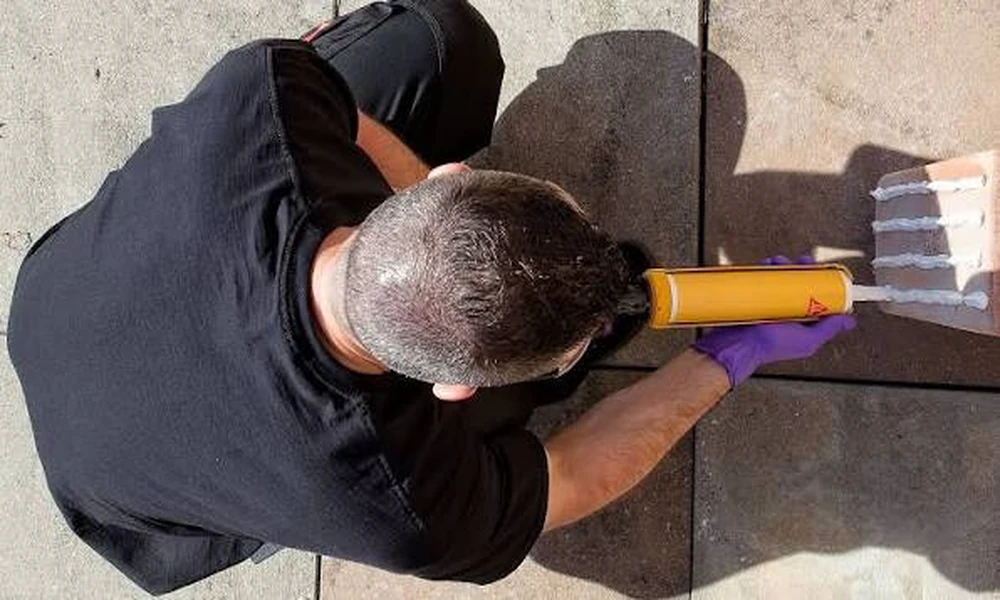
Selecting suitable bonding materials helps builders create strong joints and protect structures from moisture. Different surfaces require products that match their purpose and working conditions. The sealants help close gaps while adhesives hold materials together during daily use. Understanding their features makes purchasing decisions easier. Careful selection also reduces repair costs and supports lasting results. Before choosing any product, workers should check surface type, expected movement and exposure to changing temperatures. These simple steps improve planning and help prevent common problems during installation.
Selecting Products For Surface Types
Concrete, glass, metal and timber need different bonding properties. Checking product labels helps prevent weak connections.
Checking Strength And Flexibility
Strong bonds support firm joints while flexible formulas allow slight movement without cracking or losing their hold.
Preparing Surfaces Before Applying Materials
Good preparation improves bonding quality. Remove dust and loose particles before starting work.
· Clean surfaces thoroughly to remove dirt.
· Dry areas where moisture may weaken adhesion.
· Remove old material that no longer holds firmly.
· Smooth rough spots when product instructions require it.
· Apply a primer when the manufacturer recommends one.
Reviewing Moisture Resistance Before Purchase
Areas exposed to rain or damp air need materials designed to resist water penetration and maintain their grip.
Assessing Temperature Changes During Use
Heat and cold can affect bonding strength. Choose products rated for the temperatures expected during installation and regular use.
Following Manufacturer Instructions During Installation
Product labels explain the correct application method. Following them helps workers achieve consistent results.
· Check the recommended surface conditions.
· Use suitable tools for even application.
· Apply the correct amount of material.
· Allow sufficient curing time before loading joints.
· Keep unused products sealed and stored properly.
Matching Drying Time With Work Schedules
Some products set quickly while others need longer curing periods. Proper timing allows workers to complete tasks safely and correctly.
Checking Compatibility With Existing Materials
Always confirm that the selected formula works with the surface coating and surrounding materials to avoid damage or poor adhesion.
Maintaining Safety During Handling And Storage
Careful handling protects workers while preserving product quality. Good storage practices also reduce waste.
· Wear protective gloves when required.
· Keep work areas well ventilated.
· Avoid direct contact with eyes and skin.
· Store containers away from excessive heat.
· Follow disposal guidance printed on product labels.
Evaluating Long Term Performance And Value
The lowest purchase price may not provide the best value. Reliable sealants can reduce future maintenance when selected for the right purpose.
· Compare expected service life.
· Review resistance to water and weather.
· Check whether repainting is possible.
· Consider repair needs over time.
· Choose products supported by clear technical guidance.
Identifying Common Application Mistakes Early
Poor installation can weaken even high quality products. Recognising common errors helps teams maintain dependable results.
· Applying material to dirty surfaces.
· Ignoring recommended curing periods.
· Choosing a formula for the wrong surface.
· Using expired or damaged products.
· Exposing fresh joints to movement too soon.
Improving Project Planning Through Product Selection
Early planning allows builders to estimate material quantities and avoid unnecessary delays. Teams should review joint size and surface conditions before ordering supplies.
· Measure gaps accurately before purchase.
· Confirm the required quantity for each task.
· Check product shelf life before delivery.
· Keep technical instructions available for workers.
· Inspect completed joints before project handover.
Reliable construction depends on matching each product to its intended task. Review technical details before purchase and prepare surfaces with care. Allow enough time for proper curing and inspect finished joints regularly. These practical measures limit avoidable repairs while supporting stronger connections and better moisture control. A planned approach helps project teams manage material costs and maintain consistent workmanship across different building tasks.