
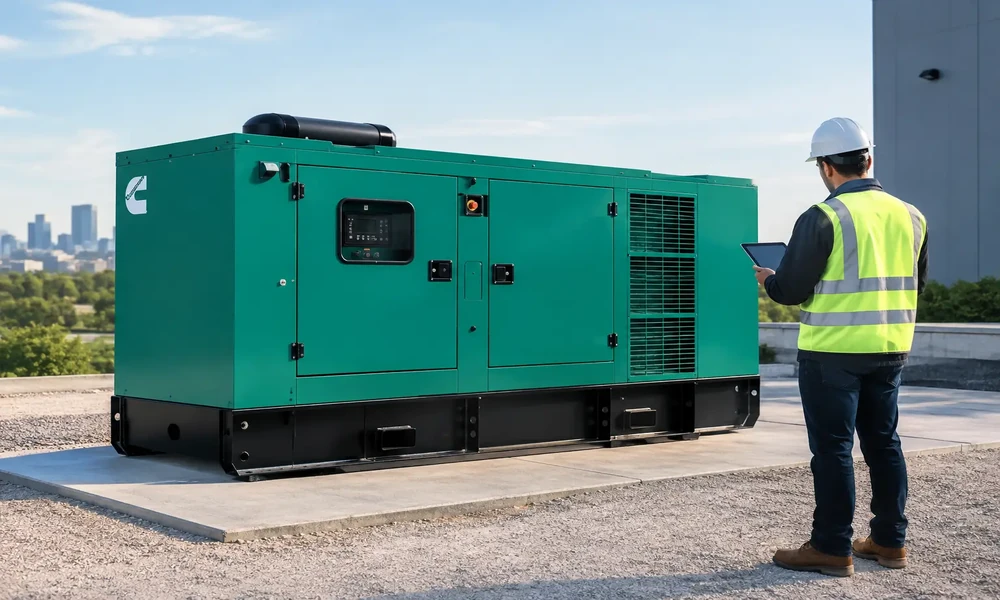
Picking backup power often starts with a number on a quote rather than a careful plan. Choose too small a unit and equipment trips once heavy machinery starts. Choose too large a unit and fuel bills climb while the engine idles inefficiently. A 200kva generator sits in a useful middle range for many projects. It powers more than a small workshop yet stays manageable to transport. Knowing exactly what you need to run decides whether this size makes sense.
What kVA Really Means
kVA describes the total electrical capacity a unit can supply. Usable power for equipment is shown in kW instead. At the standard rating factor of 0.8, 200 kVA equals roughly 160 kW. That 160 kW figure is the one to compare against your equipment.
Typical Loads It Handles
This capacity suits mid-sized construction projects running cranes, pumps plus lighting. Small factories often use it as standby power during grid outages. Commercial buildings rely on it for lifts, air conditioning, plus emergency systems. Outdoor events covering stages, catering tents plus lighting rigs also fit well.
Signs It Suits You
A quick checklist helps confirm whether this capacity matches your demand. Most answers come from your own equipment labels.
· Combined running load sits between roughly 100 and 140 kW.
· The biggest single motor stays below about one-third of capacity.
· Equipment operates on three phase supply at standard voltage.
· Demand remains fairly steady through most daily working hours.
· Expansion plans add little extra draw within twelve months.
· Trucks can reach the placement area on firm ground.
· Noise rules allow a canopied diesel unit near neighbours.
· Refuelling every day or two fits your schedule easily.
Underloading Causes Real Problems
Running a large unit at very light load causes trouble. Unburnt fuel builds up inside the exhaust, a problem known as wet stacking. Engines prefer working between 50 to 80 percent of rated capacity. Oversizing therefore wastes fuel plus shortens engine life.
What Happens When Motors Start All at Once?
Electric motors draw far more current while starting than while running. That surge can reach three to six times normal demand for a few seconds. Pumps, compressors plus lifts all behave this way.
If several motors start together, voltage dips can trip breakers or stall equipment. A 200kva generator handles these surges well when starts are staggered. Soft starters or variable speed drives also reduce the peak. Planning start sequences lets a modest unit cover bigger loads safely. Always share motor details with your supplier before confirming capacity. Ignoring surges is the most common sizing mistake.
Fuel Planning Basics
At full load, this capacity burns roughly 40 to 45 litres of diesel each hour. At half load, consumption drops to about 22 to 25 litres. Larger base tanks extend running time between refuelling visits.
Capacity Across Common Projects
| Project Type | Typical Running Load | Match Quality |
|---|---|---|
| Small office building backup | 60 to 90 kW | Often oversized |
| Mid size construction project | 100 to 140 kW | Good match |
| Cold storage warehouse | 120 to 150 kW | Good match with surge planning |
| Large manufacturing line | 250 kW or more | Too small, consider 500 kVA |
| Outdoor festival stage | 80 to 130 kW | Good match |
Running load is only half the picture in every row. Starting surges can still push a good match beyond safe limits.
Doubts Project Managers Raise
· How many kilowatts does 200 kVA deliver? About 160 kW at the standard rating factor of 0.8.
· Can two smaller units replace one larger unit? Yes, synchronised units add flexibility plus backup if one fails.
· How long can it run without stopping? Continuously, provided fuel, oil plus servicing stay up to date.
· Does renting make more sense than buying? For short projects, renting usually costs less overall.
· How loud is a canopied unit? Many sit around 65 to 75 decibels at seven metres.
· What servicing does it need? Oil, filter plus coolant checks roughly every 250 to 500 hours.
Load Lists Beat Guesswork
Correct sizing starts with a full equipment list. Starting surges matter as much as running demand. Loads between half and four-fifths of capacity keep engines healthy. This middle size suits many projects when those numbers line up.
Measured Planning Keeps Power Steady
Reliable electricity comes from matching supply to real demand. Write down every connected load before requesting any price. Review consumption logs after the first week of operation. Adjust start sequences or capacity if readings show strain. Steady checks over months matter more than getting every figure perfect on day one.